10 Effective Reading Strategies for Children with Dyslexia
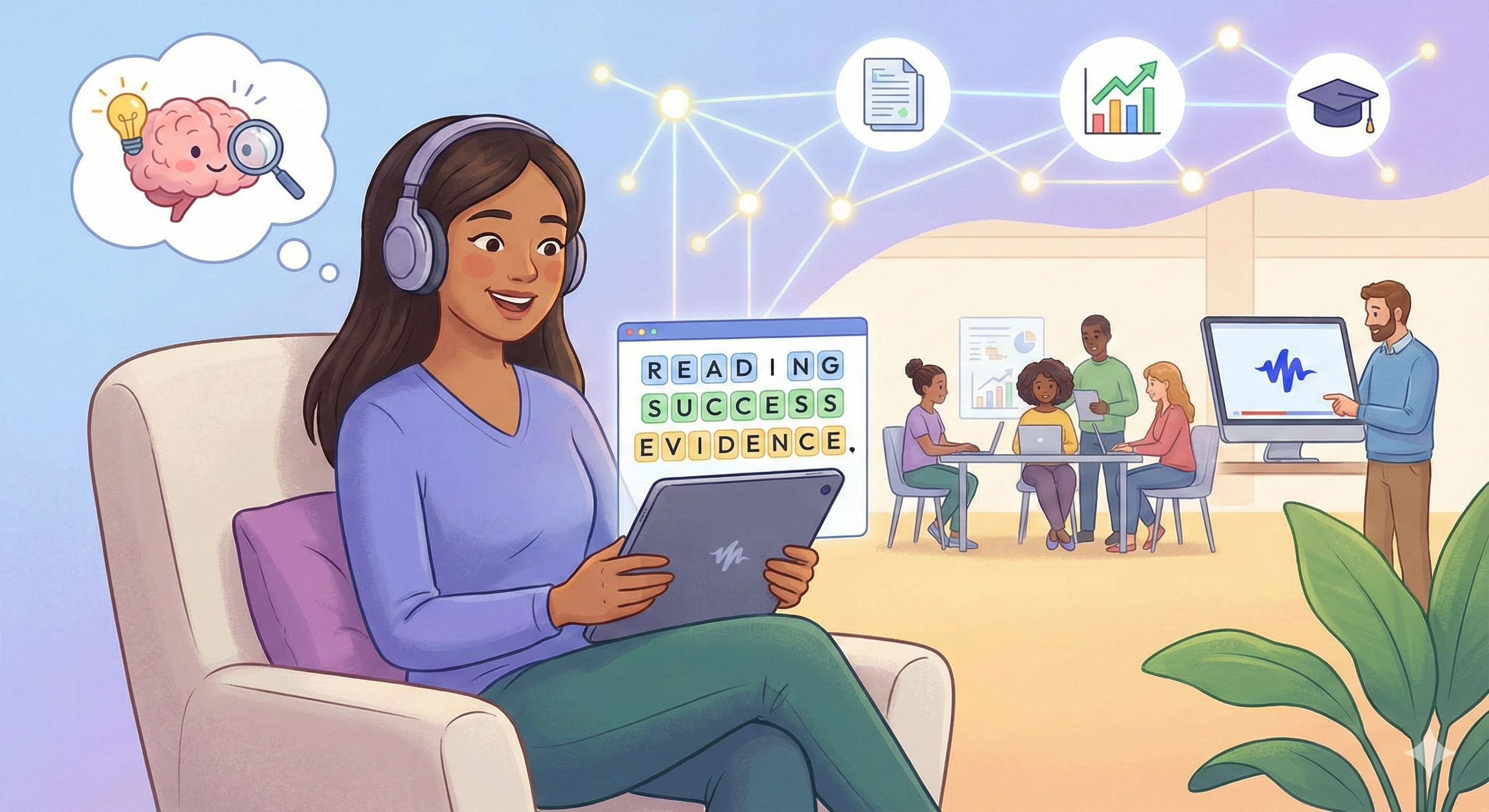
Dyslexia affects approximately 15-20% of the population, making it one of the most common learning differences. While dyslexia presents unique challenges for reading, the right strategies can help children build confidence, improve comprehension, and develop a genuine love for reading. Here are 10 evidence-based strategies that can make a real difference.
Use Multisensory Learning Techniques
Multisensory learning engages visual, auditory, and kinesthetic pathways simultaneously. This approach is particularly effective for children with dyslexia because it creates multiple neural connections to the same information.
Try this: Have your child trace letters in sand or shaving cream while saying the letter sound aloud. Use colored tiles or magnetic letters to build words physically. Apps like DyslexiaBuddy combine visual highlighting with audio playback for a multisensory reading experience.
Implement Text-to-Speech Technology
Text-to-speech (TTS) technology allows children to hear text read aloud while following along visually. This dual-input method strengthens the connection between written and spoken language.
Try this: Use apps that highlight words as they're read aloud. DyslexiaBuddy offers 28 realistic on-device voices that work offline, making it perfect for homework and classroom use.
Choose Dyslexia-Friendly Fonts
Not all fonts are created equal for dyslexic readers. Fonts with clear letterforms, good spacing, and distinct character shapes can significantly reduce reading difficulty.
Try this: Look for fonts like Atkinson Hyperlegible, OpenDyslexic, or Comic Sans. Avoid decorative fonts or those with similar-looking letters (like lowercase 'b' and 'd').
Adjust Text Formatting
Simple formatting changes can dramatically improve readability. Increased line spacing, wider margins, and larger text size reduce visual crowding that many dyslexic readers find overwhelming.
Try this: Use 1.5 to 2x line spacing, increase text size to at least 14-16pt, and consider using cream or light yellow backgrounds instead of pure white. Try our interactive demo to see how these adjustments help.
Break Reading into Smaller Chunks
Long passages can feel overwhelming. Breaking text into smaller, manageable sections helps maintain focus and prevents cognitive overload.
Try this: Use a reading guide or ruler to isolate one line at a time. Set short reading goals (one paragraph at a time) with breaks in between. Celebrate each completed section to build motivation.
Practice Phonemic Awareness
Phonemic awareness—the ability to identify and manipulate individual sounds in words—is a foundational skill for reading. Many children with dyslexia benefit from explicit phonemic awareness instruction.
Try this: Play sound-based games like rhyming, syllable clapping, and sound substitution ("What word do you get if you change the /c/ in 'cat' to /b/?"). Practice for 10-15 minutes daily.
Use Color Overlays and Backgrounds
Some children with dyslexia experience visual stress when reading black text on white backgrounds. Colored overlays or tinted backgrounds can reduce this strain and improve reading fluency.
Try this: Experiment with different colored overlays (yellow, blue, and rose are popular choices). Many reading apps, including DyslexiaBuddy, offer customizable background colors.
Build a Sight Word Vocabulary
Sight words (common words recognized instantly without sounding out) reduce cognitive load during reading. Building a strong sight word vocabulary helps reading flow more smoothly.
Try this: Create flashcards for the 100 most common words. Practice 5-10 words daily using the "look, say, cover, write, check" method. Make it fun with games and rewards.
Encourage Audiobooks and Read-Alouds
Audiobooks allow children to enjoy age-appropriate content regardless of their current reading level. This maintains their love of stories while building vocabulary and comprehension skills.
Try this: Pair audiobooks with physical copies so your child can follow along. Take turns reading aloud together. Use DyslexiaBuddy's scanning feature to convert any printed text into audio.
Leverage AI-Powered Learning Tools
Modern AI-powered tools can provide instant definitions, summaries, and explanations that help children understand difficult text without frustration.
Try this: Use tools that offer on-demand help. DyslexiaBuddy's AI tutor lets children ask questions about any text, get instant definitions by long-pressing words, and request summaries of complex passages.
Making Progress Together
Every child with dyslexia is unique, and what works best will vary from person to person. The key is to remain patient, celebrate small victories, and remember that dyslexia doesn't define intelligence or potential.
By combining these strategies with consistent practice and emotional support, you can help your child develop not just reading skills, but confidence in their ability to learn and grow.
Technology has made it easier than ever to provide personalized reading support. Tools like DyslexiaBuddy bring together many of these strategies—multisensory learning, text-to-speech, customizable formatting, and AI assistance—in one accessible package.
Ready to Help Your Child Read with Confidence?
DyslexiaBuddy combines these strategies into one easy-to-use app. Try it free today.
Download DyslexiaBuddy